Peru in the 1920s
Continuous Identity
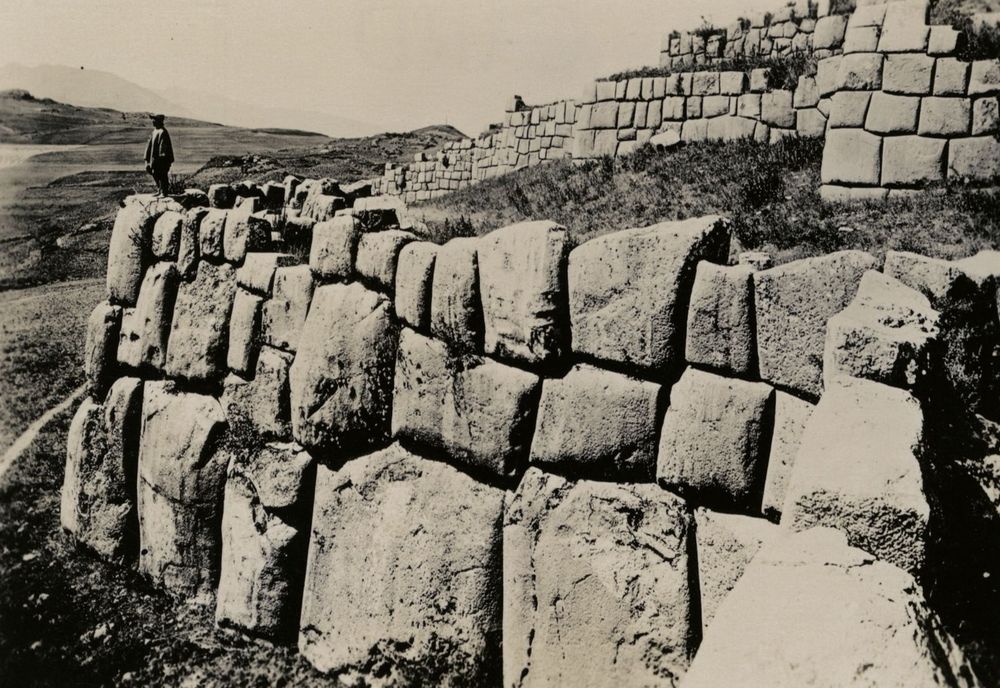
Although Peru’s modernization is most prominent in the postcards, traces of Peru’s traditional and native identities can still be found. Most recognizable are the Inca ruins from the Cuzco series. Cuzco still retains its status as Peru’s ancient capital, having been the site of the Inca throne around the 15th and 16th century. Some Cuzco images show the fusion of Inca walls into the colonial city’s structures, a striking symbol of old Peru.
In terms of animals and nature, another recognizable image is the llama. Postcards from Lima, Casapalca, and other locations show llama packs and alpacas roaming in the mountains, streets, and even a hotel. The physical terrain, a permanent part of Peru, is the feature and background in a handful of postcards. The barren hills outside city centers, the rolling mountains enveloping smelters and railroad tracks, scenic views of the rocky shore in Mollendo, and the oceanic setting in Payta and Callao help viewers envision Peru in its natural environment and physical location. The animal and natural world are embodied in Peru's tradition of earthen ceramics, shaped by indigenous groups for centuries.
These visual reminders of the modern, past, and permanent reinforce the idea that modernization can transform Peru, but it cannot fully conceal what came before. A co-existence of the old and modern Peru continues to reveal itself in every image.
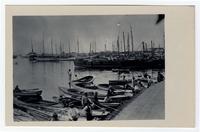
“The harbor”
View item1 / 10