Browse all digital exhibits curated by the library.
The First Years of the Mexican Revolution
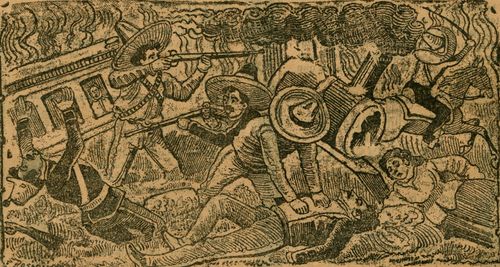
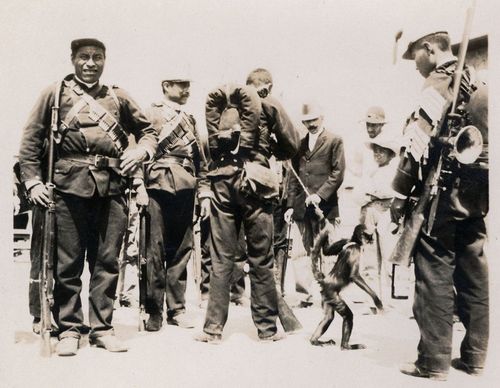
This exhibit traces the many revolutions Mexico experienced between 1910 and 1916 to free itself from tyranny.
1521-1821
Latin America's 19th Century
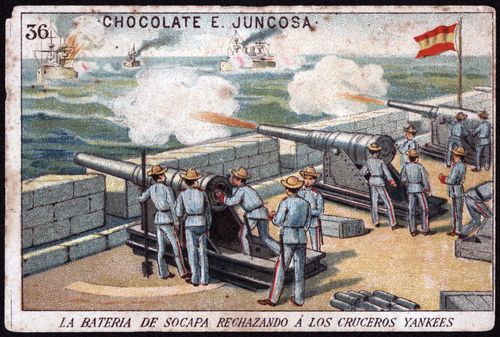
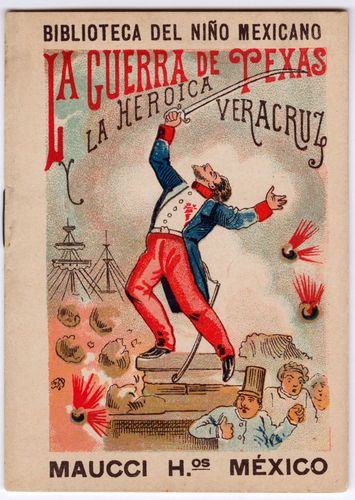
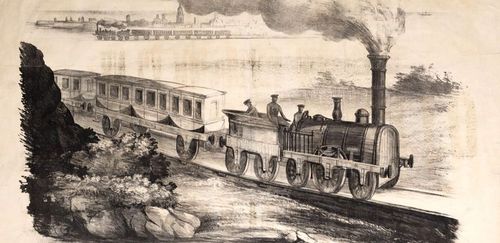
This exhibit begins with the dissolution of Spain's Atlantic Monarchy in 1808 and continues into the early 20th century, tracing out how revolutions in technology, medicine, and political systems transformed lives, communities, and places.
in 19th Century Latin America
This exhibit reveals the region’s tumultuous and transformative 19th-century journeys towards the formation (s) of State, Subject, and Self.
Territories in Dispute, Identities in Question
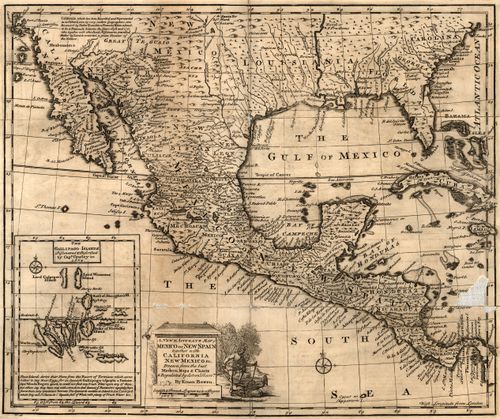
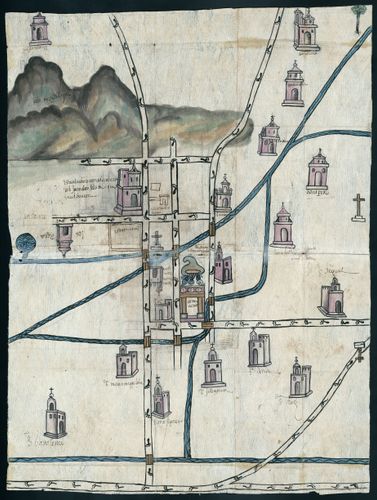
The maps presented in this exhibition serve as visual histories of Mexican territory, culture, and identity through three centuries of transformation. Through image and text, these documents trace the intertwined and often contentious relationships between indigenous and European, civil and religious, and “national” and foreign, in Mexico’s evolution from colonial territory to modern state.
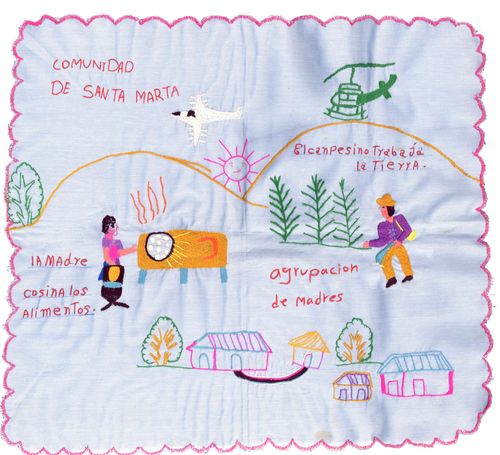
This exhibition by the Museo de la Palabra y la Imagen tells the stories of women who lived in exile in the refugee camps of Honduras during the Salvadoran Civil War.
on 19th Century Latin America
Exhibition on Latin America during the 19th Century.
Selections from His Archive
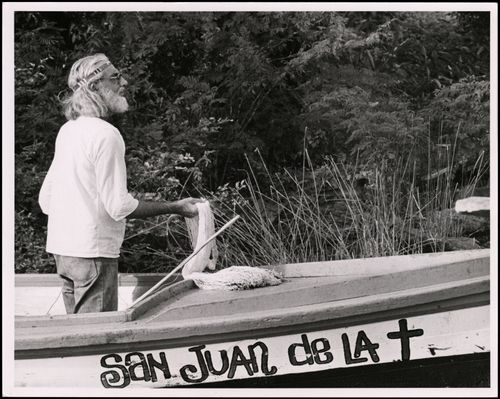
This exhibition reflects upon the impact and legacy of poet, priest, liberation theologist, sculptor, and activist Ernesto Cardenal.
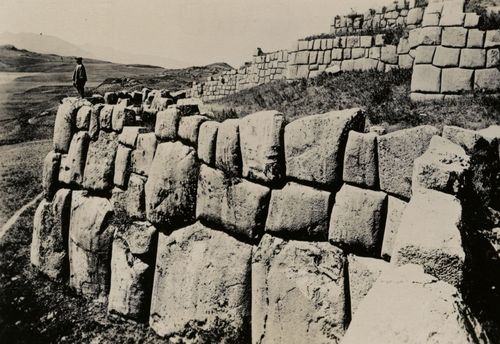
The early twentieth century brought political, economic, and social changes to Peru. After the devastating losses experienced from the War of the Pacific in the late 1800s, the need to reconstruct and reform Peruvian society lent itself to the economic opportunities modernization presented. This exhibition of postcards from the 1920s show how the past and present converged in Peru at this critical juncture.
Decolonial Resistance in U.S. Latinx Zines
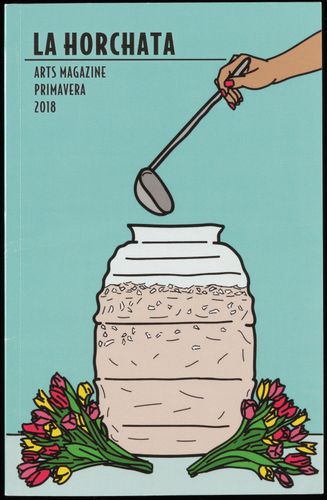
An exhibit highlighting the Nettie Lee Benson Latin American Collection's zines to analyze the intersectionality of Latinidad and food studies.
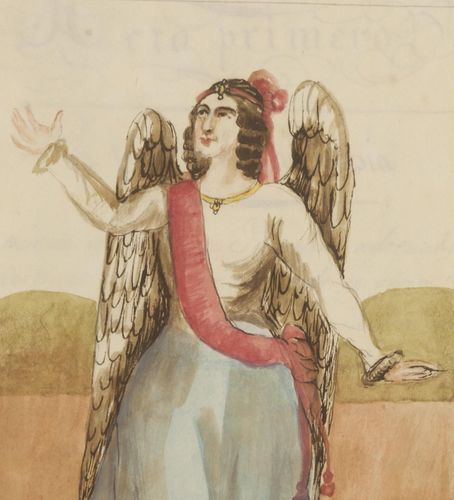
Pastorelas are plays that recreate the biblical passages where shepherds follow the Star of Bethlehem to find the Christ Child despite continued interference of Satan and his minions. These plays were used as a tool by the Franciscan monks to indoctrinate the native peoples of the Americas to Christianity in the 16th Century. Today, pastorelas are also used to describe and convey modern world issues such as immigration, socio-economic disparity, and even fake news. Pastorelas were commonly an oral tradition, rarely being transcribed to paper. However, the Benson Latin American Collection holds a beautifully written and illustrated pastorela from 1853, possibly a one-of-a-kind item. This digital exhibit highlights that rare item, El triunfo de Jesús contra la lengua del diablo : pastorela en cuatro actos por Manuel Antonio Zayas from 1853, available at the Rare Books and Manuscripts Room of the Benson Collection. It will also highlight other items from the Benson Collection that support and give more context to the exhibit. The audience for this digital exhibit would include anyone interested in Latin American Studies, Language, Religious Studies, Archives, History, and Theater. Multiple themes include religion, indoctrination, performance art, good vs. evil, and immigration.
This exhibit explores the history of Antonio Lopez de Santa Anna (1794-1876), a colossal figure in Mexico’s post-independence politics with a legacy of losing half the nation’s territory to the United States.
A Window into the Inspection of 1765
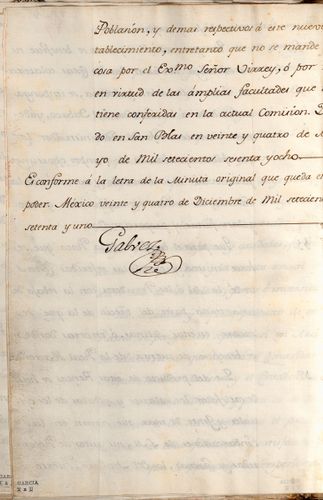
This exhibition explores the localized consequences of the royal inspection, or visita general, administered by José de Gálvez in New Spain from 1765-1771.
1775 - 1929
A Benson Centennial Exhibit
To mark the Benson’s centennial, this exhibition looks at knowledge production from different communities in the Americas. Special attention is paid to community stories, craftwork, harvest and subsistence, medicine, and flora and fauna.
Examples from the Benson's Cartonera Collection
This exhibition contextualizes the importance of cartoneras within Latin American and Caribbean cultural production, particularly as a publishing outlet for socially excluded voices.
In this exhibition, three collections are presented that include the bibliographic material generated from the institutional work of the Oficina de Derechos Humanos del Arzobispado de Guatemala.
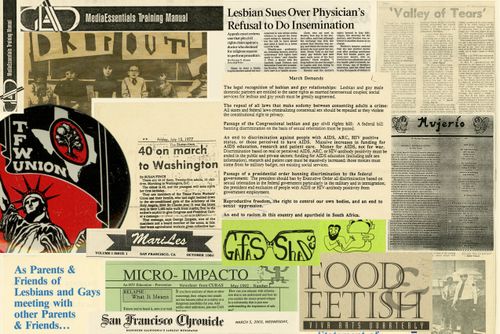
This exhibit examines how U.S. Latine activists employ three communication techniques–sound bites, hooking, and flagging–throughout various media to connect civil, labor, and LGBTQ+ movements 1965-2003.
Chicanas/os in the Texas Labor Movement
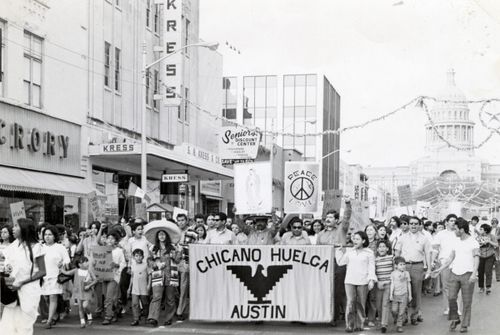
This exhibit explores three Latino/a unionization movements in Texas.