Browse all digital exhibits curated by the library.
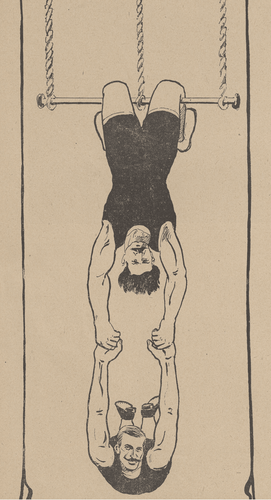
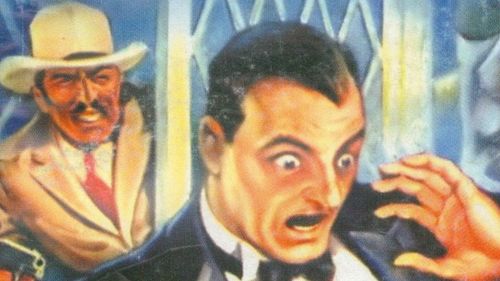
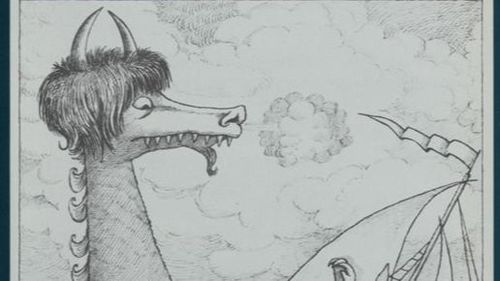
Cartoons from Kalem Magazine (1908 CE)
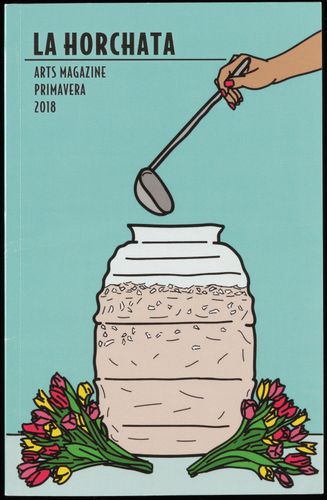
Decolonial Resistance in U.S. Latinx Zines
An exhibit highlighting the Nettie Lee Benson Latin American Collection's zines to analyze the intersectionality of Latinidad and food studies.
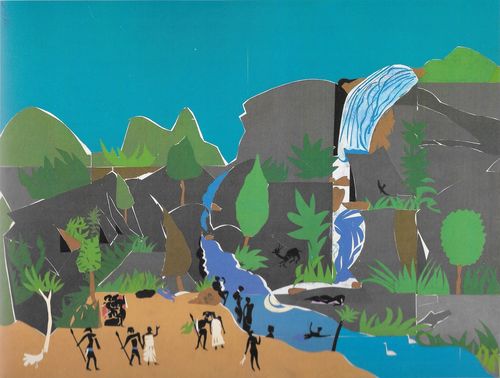
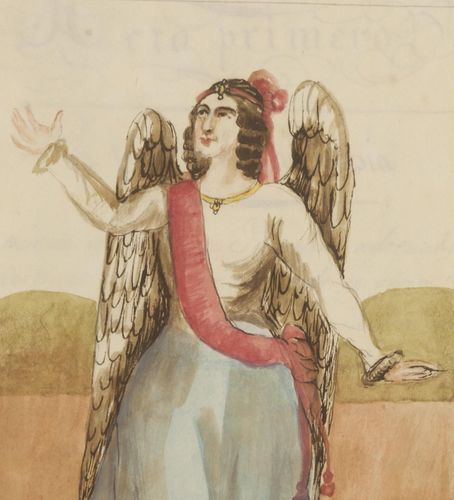
Pastorelas are plays that recreate the biblical passages where shepherds follow the Star of Bethlehem to find the Christ Child despite continued interference of Satan and his minions. These plays were used as a tool by the Franciscan monks to indoctrinate the native peoples of the Americas to Christianity in the 16th Century. Today, pastorelas are also used to describe and convey modern world issues such as immigration, socio-economic disparity, and even fake news. Pastorelas were commonly an oral tradition, rarely being transcribed to paper. However, the Benson Latin American Collection holds a beautifully written and illustrated pastorela from 1853, possibly a one-of-a-kind item. This digital exhibit highlights that rare item, El triunfo de Jesús contra la lengua del diablo : pastorela en cuatro actos por Manuel Antonio Zayas from 1853, available at the Rare Books and Manuscripts Room of the Benson Collection. It will also highlight other items from the Benson Collection that support and give more context to the exhibit. The audience for this digital exhibit would include anyone interested in Latin American Studies, Language, Religious Studies, Archives, History, and Theater. Multiple themes include religion, indoctrination, performance art, good vs. evil, and immigration.
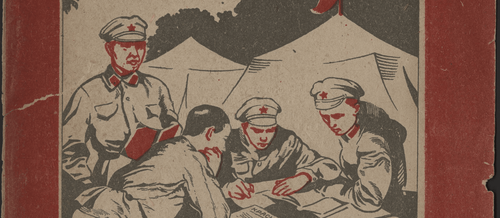
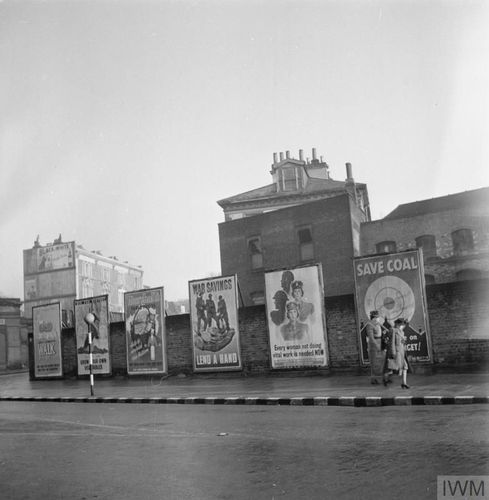
Daily Press Notices and Bulletins from World War II
By 1935, it was becoming apparent to the British government that war with Germany would be inevitable. To avoid public panic, the government secretly planned a new department that would control propaganda and publicity surrounding the coming war. From this work, the Ministry of Information (MOI) was born on September 4, 1939, the day after Britain's declaration of war. The MOI was tasked with the handling of news censorship, national publicity, and international publicity in the Allied and neutral countries. Not only did the Ministry produce these daily bulletins, but they were also responsible for posters, films, radio broadcasts, pamphlets, newspaper articles, and advertisements. In March 1946, the MOI was dissolved as its mission to fight “a war of ideas,” had been completed with the end of World War II.
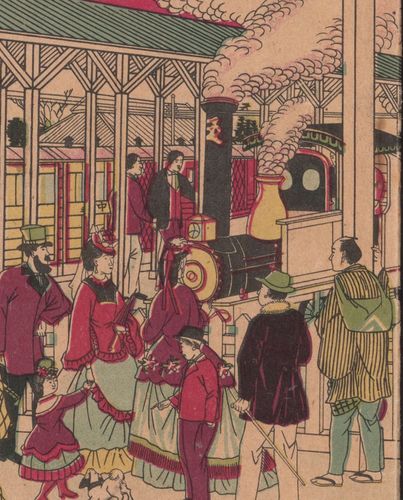
Everyday Knowledge in Early Meiji Japan from UT Libraries' Collections
The Meiji period (1868–1911) was an intellectually dynamic era in modern Japan. Amidst the sweeping political reforms, the cultural and political elite also tried hard to “enlighten” the Japanese masses. New and somewhat Western-style education institutions were quickly established across the country in the 1870s, and new curriculums were implemented. However, old forms of learning and knowing also persisted in some intellectual circles. This exhibit shows some examples of books compiled and published for the everyday Japanese in this exciting era of Japanese history. The books presented here range from physics and world geography to vocabulary primers and an anthology of exemplary essays.
Children’s media is ubiquitous, its themes and explorations of the world ever reflecting our emotional journeys. Responding to prevailing scholarly notions that media for children is fruitless or trivial to theoretical analysis, this exhibit sheds a light on numerous “serious” canonical composers, who believed children’s music to be a viable market for commercial success. Here we highlight fascinating scores, scholarly sources and audio recordings from the UT Libraries collection, demonstrating the wealth of materials created for children.